
Selling a Tampa Home with Foundation Problems Without Delays or Inspections
Foundation problems create instant stress for Tampa homeowners. Cracks appear, doors stop closing properly, floors slope, and suddenly selling the house feels impossible. Many owners worry that inspectors will flag every issue or that buyers will walk away the moment they hear the word foundation. In Tampa, soil conditions, moisture, and aging construction make foundation issues more common than most people realize. The good news is that selling a home with foundation problems does not have to turn into a drawn out process filled with delays and inspections.
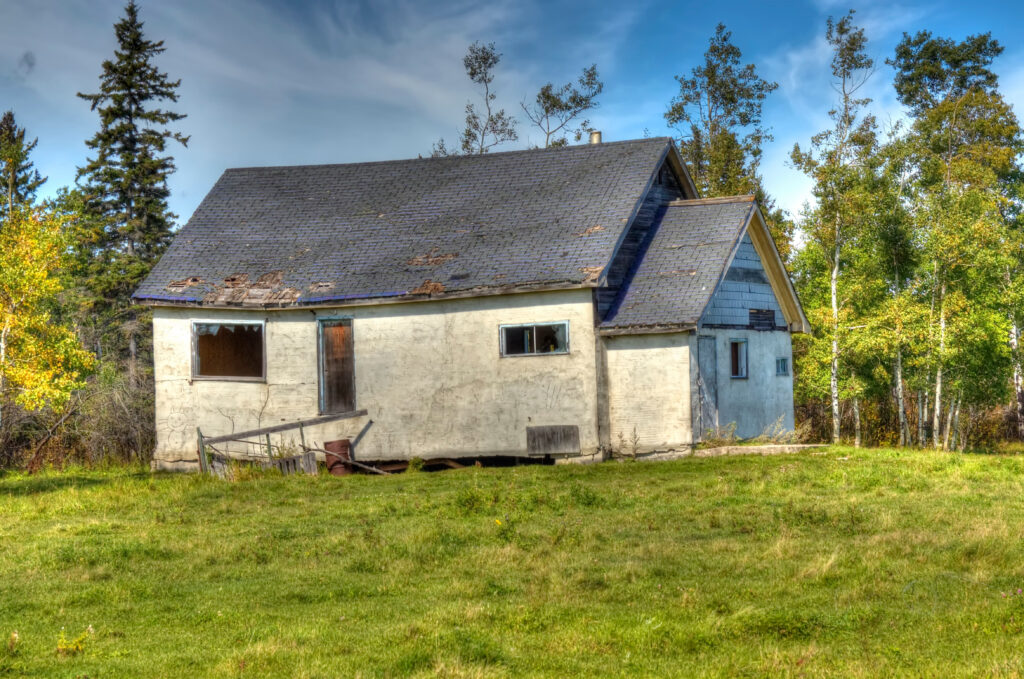
This guide explains how foundation problems affect home sales in Tampa, why traditional buyers struggle with these properties, and how cash buyers help sellers move forward without repair demands or endless inspections.
What Counts as a Foundation Problem in Tampa
Foundation problems come in many forms. Some issues appear minor at first, while others signal deeper structural concerns. In Tampa, common foundation problems include cracking slabs, uneven floors, separation around doors or windows, and visible gaps in walls. Expansive soil, poor drainage, and heavy rainfall contribute to these conditions.
Older homes across Tampa often sit on slab foundations that shift over time. Water intrusion, tree roots, and aging construction materials increase the risk. Even newer homes can experience foundation movement due to improper grading or drainage issues.
Homeowners often discover these problems during routine maintenance or after a buyer inspection raises red flags.
Why Foundation Issues Stop Traditional Sales
Traditional buyers rely on mortgage financing. Lenders require inspections, appraisals, and insurance approval. Foundation problems disrupt all three. Inspectors flag structural issues. Appraisers reduce value due to risk. Insurance companies may refuse coverage entirely.
Buyers fear unexpected repair costs. Foundation repairs can cost thousands of dollars, and timelines vary widely. Even buyers willing to take on repairs often back out once lenders step in.
Sellers face pressure to complete repairs before closing. Engineers, permits, contractors, and inspections extend timelines. Costs pile up quickly. Many homeowners don’t have the funds or patience to navigate this process.
Inspection Delays Create Frustration
Inspections represent the biggest bottleneck for homes with foundation problems. One inspection leads to another. Structural engineers get involved. Reports generate repair recommendations. Buyers request price reductions or demand repairs.
Negotiations stall. Deals fall apart. Sellers return to the market with a stigma attached to the property. Each failed deal reduces buyer confidence.
Tampa sellers often feel trapped at this stage, unsure how to move forward.
How Cash Buyers Approach Foundation Problems Differently
Cash buyers look at foundation issues through a different lens. Investors expect problems. They evaluate cost, scope, and resale potential without relying on lender approval.
Cash buyers don’t require traditional inspections to close. They conduct walkthroughs to understand the property and factor repair costs into their offers. This approach eliminates inspection driven delays.
Because cash buyers use their own funds, insurance and appraisal hurdles disappear. Sellers avoid weeks or months of uncertainty.
Selling Without Making Repairs
Many homeowners assume repairs are mandatory. That assumption often causes unnecessary stress. Cash buyers purchase homes as is, including properties with known foundation problems.
Investors budget for repairs after purchase. Sellers don’t need to coordinate contractors, permits, or inspections. This saves time and removes financial strain.
For homeowners facing tight timelines, this option provides relief.
Why Investors Buy Homes with Foundation Issues
Foundation problems don’t scare experienced investors. These buyers understand repair processes and costs. They work with contractors who specialize in structural repairs.
Investors also understand Tampa’s market dynamics. Neighborhood demand, rental potential, and renovation strategies influence decisions more than cosmetic perfection.
From an investor standpoint, foundation issues represent manageable risk rather than a deal breaker.
Tampa Specific Factors That Affect Foundation Problems
Tampa’s soil composition plays a major role. Sandy soil mixed with clay expands and contracts with moisture changes. Heavy rains and drainage issues worsen movement.
Homes near older infrastructure or large trees often face shifting foundations. Coastal humidity also affects building materials over time.
Investors familiar with Tampa account for these conditions when evaluating properties. Local knowledge reduces uncertainty and speeds decisions.
Disclosure Requirements for Foundation Problems
Florida law requires sellers to disclose known material defects. Foundation problems fall into this category. Transparency protects sellers from future disputes.
Cash buyers expect disclosure and factor it into their offers. Honest communication builds trust and keeps deals moving smoothly.
Trying to hide foundation issues often leads to canceled contracts and legal trouble.
How Cash Sales Reduce Seller Stress
Cash sales remove the most stressful parts of selling a damaged home. Sellers skip inspections, repairs, and repeated negotiations. Closings happen on flexible timelines.
Many Tampa homeowners choose this route to regain peace of mind. They focus on their next step rather than managing a complicated sale.
The certainty of a cash transaction matters more than chasing top dollar for many sellers.
When Selling with Foundation Problems Makes Sense
Selling as is works best when repair costs feel overwhelming, timelines feel tight, or previous deals fell apart due to inspections. Homeowners facing job changes, financial strain, or property fatigue often prefer simplicity. Cash buyers provide a realistic solution without judgment or pressure.
Common Myths About Foundation Problems
Many sellers believe foundation issues make homes unsellable. That belief isn’t true. Others assume only complete repairs allow a sale. Cash buyers prove otherwise.
Another myth involves value destruction. While foundation issues affect price, they don’t eliminate value entirely. Investors understand how to price risk accurately. Education helps sellers avoid fear driven decisions.
Steps Sellers Should Take Before Selling
Homeowners should gather any existing reports or repair estimates. Knowing the scope helps guide conversations. Sellers should also review disclosure requirements and understand their rights.
Speaking with a cash buyer early provides clarity. Even homeowners exploring other options benefit from understanding alternatives. Knowledge creates confidence.
A Practical Way Forward for Tampa Homeowners
Foundation problems don’t need to control the outcome of a sale. Options exist that avoid long delays and inspections. Cash buyers offer a path that values time, certainty, and transparency.
Every property tells a story. The right buyer understands that story and helps sellers move forward without added stress.
FAQs About Selling a Tampa Home with Foundation Problems
1. Can I sell my Tampa home with foundation problems?
Yes, homes with foundation issues sell regularly, especially to cash buyers.
2. Do foundation problems require repairs before selling?
No, cash buyers purchase homes as is without repair requirements.
3. Will inspections delay a cash sale?
Cash sales don’t rely on traditional inspections, which prevents delays.
4. Do I need an engineer’s report to sell?
Cash buyers often don’t require engineering reports before closing.
5. Does foundation damage lower home value?
Foundation issues affect value, but homes still retain market value.
Sell My House Fast Tampa helps homeowners sell properties with foundation problems without delays or inspections. Call 813-945-6701 to discuss your Tampa home and explore your options.