
When to Sell a Rental Property: 7 Signs It’s Time to Exit
Being a landlord seemed like a great idea when you started. Steady rental income, building equity, tax benefits, and long-term wealth building. But somewhere along the way, things changed. Maybe the tenant calls never stop. Maybe the cash flow isn’t what you expected. Maybe you’re just tired of dealing with property management stress.
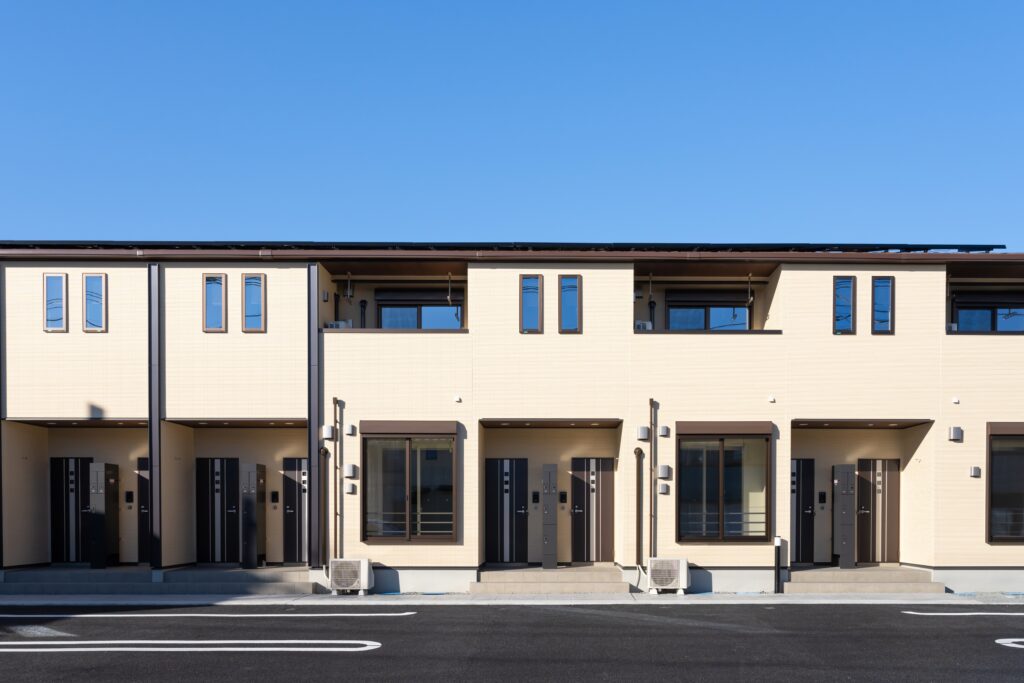
If you’ve been thinking “maybe it’s time to sell this rental property,” you’re not alone. In 2024, approximately 40% of individual landlords in Florida owned just one rental property, and many were actively considering selling. The question isn’t whether selling is ever the right move (it often is). The question is: when is the right time for you?
This guide walks through seven clear signs that it’s time to exit your rental property investment. Some are financial, some are practical, and some are simply about quality of life. If you recognize three or more of these signs in your situation, it might be time to seriously consider selling.
Sign 1: Your Rental Property Has Negative Cash Flow
Cash flow is the foundation of rental property investing. If money flows out faster than it flows in, you don’t have an investment. You have an expensive liability.
What negative cash flow looks like: Your monthly costs (mortgage, property taxes, insurance, HOA fees, maintenance, vacancy reserves, and property management) exceed your rental income. You’re writing checks each month to cover the difference.
Let’s run real Tampa numbers. Say you own a rental in Brandon. Your monthly costs break down like this:
- Mortgage payment (PITI): $1,850
- HOA fees: $150
- Property management (10%): $180
- Maintenance reserve (1% of value annually): $210
- Vacancy reserve (1 month per year): $150
- Total monthly cost: $2,540
Your tenant pays $1,800 per month. You’re negative $740 monthly, or $8,880 per year. That’s money leaving your pocket, and it adds up fast.
Why negative cash flow happens: Property values rose faster than rents in some Tampa neighborhoods. Insurance costs in Florida jumped 40% to 60% in recent years. Property taxes increased as assessed values climbed. Interest rates on mortgages went up if you refinanced. The math that worked in 2019 might not work in 2024.
When to tolerate it (briefly): If you’re in year one or two and rents are rising quickly, short-term negative cash flow might make sense. You’re betting on future rent increases. But if you’re three years in and still bleeding money each month, it’s time to exit.
The opportunity cost: That $8,880 per year could go into an S&P 500 index fund (historically 10% annual returns), a high-yield savings account, or toward paying off your own mortgage. Every year you subsidize a rental property with negative cash flow is a year you’re not building wealth elsewhere.
Sign 2: Maintenance Costs Keep Escalating
Rental properties age, and aging properties need repairs. That’s expected. But there’s a difference between normal maintenance and a money pit that never stops demanding your cash.
Red flags that maintenance is out of control:
- You’ve spent more than 15% of rental income on repairs in the past year
- Major systems are failing (HVAC, roof, plumbing, electrical)
- The property is 30+ years old with original systems
- Tenant-caused damage is a recurring problem
- You’re constantly getting emergency repair calls
A real Tampa scenario: You own a 1980s house in Riverview. Last year, you replaced the air conditioning ($6,500), repaired a plumbing leak ($1,200), fixed a fence damaged in a storm ($900), and dealt with a roof leak ($1,800). Total: $10,400 in unexpected repairs. Your annual rental income is $21,600. You spent 48% of your rent on repairs, and the property still needs a new roof in the next two years ($12,000 to $15,000).
The maintenance cycle trap: Older properties enter a cycle where one system’s failure accelerates wear on others. A roof leak damages drywall and creates mold. Failed AC in Florida’s heat stresses the whole house. You fix one thing, and six months later, something else breaks.
Tampa-specific considerations: Florida’s climate is hard on properties. Humidity encourages mold. Heat stresses HVAC systems. Hurricanes and tropical storms cause damage. Pool maintenance (if your rental has one) runs $100 to $150 monthly. These aren’t occasional costs. They’re ongoing Florida realities.
When maintenance costs signal exit: If you’re facing $20,000+ in major repairs (new roof, HVAC replacement, plumbing overhaul) on a property that’s already marginal, selling as-is often makes more financial sense than investing more capital. Cash buyers purchase rental properties in any condition, which means you don’t spend another dime on repairs.
Sign 3: Tenant Problems Are Constant
Good tenants are worth their weight in gold. They pay on time, maintain the property reasonably, and don’t create drama. Bad tenants can make your life miserable and destroy your investment returns.
Signs of chronic tenant problems:
- Late rent payments are the norm, not the exception
- You’re filing eviction proceedings every 12 to 18 months
- Property damage beyond normal wear and tear is recurring
- Neighbor complaints about your tenants are frequent
- You dread checking your phone because it might be your tenant calling
The cost of problem tenants: Eviction in Florida costs $1,000 to $2,500 in legal fees and lost rent. Property turnover (cleaning, repairs, marketing, vacancy period) costs 2 to 3 months of rent. One bad tenant per year can erase your entire profit for that year.
A landlord in Carrollwood dealt with this cycle: tenant stopped paying in month 4, eviction took 3 months, repairs and cleaning cost $3,500, property sat vacant 6 weeks, next tenant broke the lease after 5 months. Total lost income and expenses over 18 months: $24,000. The annual rent was supposed to be $19,200. Net result: negative $4,800 for the period.
Screening isn’t always enough: You can check credit, verify income, and call references. Good tenants still sometimes lose jobs, go through life changes, or turn out differently than they appeared. And in hot rental markets, you sometimes have to choose between a marginal applicant and more vacancy time.
When tenant problems mean it’s time to sell: If you’re on your third difficult tenant in four years, the problem might not be the tenants. It could be the property (location, condition, price point attracts transient renters) or the rental market segment you’re in. Rather than cycle through more bad tenants, selling to a cash buyer who handles tenant situations lets you exit cleanly.
Sign 4: You Live Far From the Property
Distance makes property management exponentially harder. What should be a 20-minute fix becomes an all-day ordeal.
Challenges of long-distance landlording:
- Emergency repairs require finding local contractors you trust
- Property inspections mean coordinating travel or paying someone
- Tenant screening and showings are difficult from afar
- Small issues escalate because you can’t address them quickly
- You’re at the mercy of property managers (if you hire them)
The property management solution (and its problems): You hire a local company to handle day-to-day management. They typically charge 10% of monthly rent plus marking up repair costs. On an $1,800 rental, that’s $180 monthly or $2,160 annually. That cuts deeply into your returns, and you still don’t have full control. You’re trusting them to protect your investment, screen tenants well, and not overcharge for repairs.
Real example: A landlord who moved from Tampa to North Carolina kept a rental in Wesley Chapel. They hired a property manager, who placed a tenant that seemed fine. Six months later, the landlord discovered the tenant had three dogs (lease allowed one), the yard was destroyed, and the carpets were ruined. The property manager hadn’t done regular inspections. Repairs cost $8,500. The landlord realized they needed eyes on the property, but they were 600 miles away.
When distance becomes a deal-breaker: If you’ve relocated more than 100 miles away, you’re retired and don’t want to deal with travel, or you’ve inherited a rental property in Tampa but live elsewhere, selling often makes more sense than managing from a distance. The stress and reduced returns rarely justify keeping it.
Sign 5: The Market Is Strong (Time to Cash Out)
Real estate investing is about buying low and selling high. If Tampa’s market is strong and your property has appreciated significantly, taking profits might be the smartest move.
Signs of a strong exit opportunity:
- Your property has appreciated 30% or more since purchase
- Comparable homes are selling quickly (under 30 days)
- Multiple buyers are competing for properties in your area
- Rental yields are compressing (property values rising faster than rents)
- New construction or development is increasing supply
Tampa market dynamics: Some neighborhoods appreciated dramatically from 2020 to 2024. Properties in areas like South Tampa, Westchase, and parts of Brandon saw 40% to 60% value increases. If you bought in 2019 for $250,000 and your property is now worth $400,000, you’re sitting on $150,000 in equity (minus selling costs).
The math of cashing out: Using the example above, if you sell for $400,000:
- Mortgage payoff: $200,000 (assuming you’ve paid down some principal)
- Selling costs with traditional agent: $28,000 (7% total)
- Net proceeds: $172,000
You walk away with enough money to invest in opportunities with better returns, pay off debts, fund retirement, or simplify your financial life.
The 1031 exchange question: You can defer capital gains taxes by using a 1031 exchange to buy another investment property. But ask yourself honestly: do you want to stay in real estate investing? If you’re reading an article about when to sell, you might be ready to exit entirely rather than swap into another rental property.
Timing the market is impossible, but trends are clear: You can’t time the absolute peak, but you can recognize when you’re in a strong seller’s market. If every indicator suggests it’s a good time to sell, and you’re already considering it for other reasons, don’t wait for the “perfect” moment that may never come.
Sign 6: Your Life Circumstances Changed
Being a landlord requires time, energy, and mental bandwidth. When life changes, your capacity to manage rental properties changes too.
Life changes that make landlording harder:
- Retirement: You wanted passive income, but property management isn’t passive. You’d rather spend retirement traveling or relaxing, not dealing with tenant calls.
- Health issues: Managing a property requires physical and mental energy you no longer have or want to spend this way.
- Career demands: Your job got more demanding, and you don’t have time for landlord responsibilities.
- Family changes: New children, caring for aging parents, or going through a divorce shifts your priorities and available time.
- Simplification: You’re downsizing your life, reducing obligations, and shedding complexity.
The retirement landlord dilemma: Many investors planned for rental income to supplement retirement. Then they discovered that retirement landlording means being on call for emergencies, dealing with tenant turnover, and managing properties when you’d rather not. The income might still be there, but the lifestyle cost is too high.
A retiree in Tampa owned two rental properties. The income was helpful, but dealing with tenant calls, coordinating repairs, and handling the stress of property management wore on him. At 68, he decided he’d rather sell both properties, invest the proceeds in dividend-paying stocks and bonds, and enjoy retirement without the landlord responsibilities. His income was slightly lower, but his quality of life improved dramatically.
When life changes make selling the right choice: If you find yourself resenting your rental property rather than appreciating it, that’s a clear signal. Investments should enhance your life, not diminish it. When life circumstances shift your priorities, selling often aligns better with where you want to be.
Sign 7: Better Investment Opportunities Exist
Your capital is tied up in a rental property earning X% return. What if you could earn 2X or 3X elsewhere with less headache?
Return on investment reality check: Calculate your actual return on your rental property. Factor in:
- Net rental income after all expenses
- Principal paydown on your mortgage
- Appreciation (if any)
- Your time (value it at something reasonable)
A rental property earning 4% to 6% net annual return (after factoring in everything including your time) isn’t impressive if you can earn 8% to 10% in the stock market with zero landlord stress.
Tampa-specific comparison: If your rental property generates $8,000 net annual income on $300,000 in equity, that’s a 2.7% return. You could sell, invest the proceeds in a diversified portfolio, earn 8% annually ($24,000), and never deal with a tenant again.
Opportunity cost examples:
- Starting a business that could generate more income
- Investing in your primary residence (solar panels, renovations that you’ll enjoy)
- Funding education (yours or your children’s)
- Building an emergency fund or retirement savings
- Investing in appreciating assets without management headaches
The liquidity question: Equity trapped in a rental property is illiquid. You can’t easily access it without selling or refinancing. If better opportunities arise, your money is stuck. Selling converts that illiquid asset into liquid capital you can deploy strategically.
When to exit for better opportunities: If you’ve run the numbers and your rental property is your worst-performing investment, it’s time to reallocate. Don’t stay in real estate just because it’s what you’ve always done. Make the investment decision that makes sense today, not the one that made sense five years ago.
Making the Decision: Is It Time for You to Sell?
You’ve read through seven signs. How many resonate with your situation?
Decision framework:
- 1-2 signs: You’re facing normal landlord challenges. Consider whether changes (better property management, raising rent, different tenant screening) could solve the problems.
- 3-4 signs: Selling should be seriously considered. The rental property is causing stress and possibly costing you money. Run the numbers on what selling would net you versus keeping it another 3 to 5 years.
- 5+ signs: It’s time to exit. You’re past the point where tweaks will fix the situation. The property is diminishing your quality of life, your financial returns, or both.
Emotional versus financial decisions: Sometimes the numbers say keep it, but your gut says sell. Your quality of life matters. If you dread dealing with your rental property, that emotional cost is real even if it doesn’t appear on a spreadsheet. Conversely, if the numbers clearly show you’re losing money, don’t let sentimentality or sunk cost fallacy keep you stuck.
Getting clear on your goals: Why did you buy the rental property? If your goal was retirement income and you’re now 10 years from retirement with negative cash flow, the investment isn’t meeting its purpose. If your goal was appreciation and the property hasn’t appreciated in five years, it’s failing. Measure the investment against your original goals and current reality.
How to Sell a Rental Property Quickly
Once you decide to sell, you face another choice: traditional sale or cash buyer?
Traditional sale pros and cons:
- Pros: Potentially higher sale price, wide pool of retail buyers
- Cons: 30 to 90 days to close, need to make repairs, handle showings, deal with buyer financing contingencies, pay realtor commissions (typically 6%)
Cash buyer pros and cons:
- Pros: Close in 7 to 14 days, no repairs needed, sell with tenants in place, no commissions, certainty of closing
- Cons: Offer price typically 10% to 20% below retail market value
When cash buyers make sense for landlords: If your rental has deferred maintenance, difficult tenants, or you want to exit quickly without the hassle of preparing the property for market, cash buyers offer the path of least resistance. You trade some potential price appreciation for speed, certainty, and convenience.
Many landlords discover that after factoring in repairs they’d need to make for a traditional sale, realtor commissions, holding costs during the sale period, and the cost of their time and stress, the net proceeds from a cash sale come surprisingly close to what they’d get traditionally.
Frequently Asked Questions
Should I sell my Tampa rental property if it’s paid off but cash flow is still low?
Even with no mortgage, a rental property costs money to maintain (property taxes, insurance, maintenance, management). If those costs consume most of your rental income, you’re earning minimal returns on significant equity. For example, a paid-off property worth $300,000 generating $1,500 monthly rent sounds great until you subtract $400 property tax, $200 insurance, $150 management, and $250 average maintenance. You’re netting $500 monthly or $6,000 annually, which is just 2% return on your $300,000 equity. You could sell, invest conservatively at 5%, and earn $15,000 annually with zero landlord work. Being paid off doesn’t automatically mean you should keep it.
Can I sell a Tampa rental property while tenants are still living in it?
Yes, you have several options. You can sell with tenant cooperation (they allow showings), wait until their lease ends, or sell to a cash buyer who purchases properties with tenants in place. Cash buyers often prefer properties with tenants because it shows the property generates rental income. If you have difficult tenants refusing to cooperate with showings, cash buyers can handle that situation better than traditional buyers who expect vacant, show-ready properties. Some cash buyers even take over the lease and landlord responsibilities at closing.
What are the tax implications of selling a rental property in Florida?
You’ll owe federal capital gains tax on the profit (difference between sale price and your cost basis, which includes purchase price plus improvements minus depreciation claimed). Long-term capital gains rates are 0%, 15%, or 20% depending on your income. You’ll also pay depreciation recapture tax at 25% on all depreciation you claimed during ownership. Florida has no state income tax, so you avoid that burden. You can defer taxes using a 1031 exchange by buying another investment property within strict timeframes, but this keeps you in real estate investing. Consult a tax professional before selling to understand your specific tax situation and potential strategies.
How do I calculate if my Tampa rental property is actually profitable?
List all annual expenses: mortgage payment including escrow (insurance and taxes), HOA fees if applicable, property management (10% of rent if hired), maintenance and repairs (budget 1-2% of property value), vacancy reserve (1 month of rent annually), capital expenditures reserve (roof, HVAC, water heater replacements averaged over their lifespan), and utilities you cover. Subtract total expenses from total annual rent collected. If the result is positive, calculate your cash-on-cash return (annual profit divided by your equity in the property). Also factor in your time – if you’re self-managing, value your hours reasonably. Many landlords discover their “profitable” rental actually returns 2-4% after properly accounting for all costs and time.
What’s the best time of year to sell a rental property in Tampa?
Spring and early summer (March through June) traditionally see the highest buyer activity in Tampa, which could mean higher offers and faster sales. However, if you’re selling to a cash buyer rather than the retail market, timing matters less because investors buy year-round. The best time to sell is when your situation calls for it – don’t delay a smart financial decision waiting for perfect seasonal timing. If you’re bleeding cash monthly or dealing with terrible tenants, selling in November is better than waiting until April and losing six more months of money and sanity. Market conditions and your personal circumstances matter more than the season.
Time to Exit? Here’s Your Next Step
Being a landlord isn’t for everyone, and knowing when to exit is just as important as knowing when to buy. You’ve learned seven signs that signal it’s time to sell your rental property.
Key takeaways:
- Negative cash flow, escalating maintenance costs, and chronic tenant problems are clear financial red flags
- Life changes and distance make property management harder and less rewarding
- Strong market conditions and better investment opportunities provide practical reasons to exit
- Three or more of these signs suggest selling is worth serious consideration
If you recognized yourself in these scenarios, it’s time to evaluate your options. Staying in a rental property investment that’s draining your money, time, or energy doesn’t serve you well. Real estate investing should work for you, not the other way around.
Sell My House Fast Tampa specializes in helping landlords exit rental properties quickly and easily. We buy rental properties in any condition, with or without tenants in place. You won’t need to make repairs, handle tenant coordination, or wait months for a buyer’s financing. We can close in as little as 7 to 14 days, putting cash in your hand and ending your landlord responsibilities.
Whether your rental property has difficult tenants, needs expensive repairs, or you’re simply ready to move on to your next chapter, we can help. We’ve worked with dozens of Tampa area landlords who decided it was time to exit, and we understand the relief that comes with selling a property that’s become more burden than benefit.
Call us today at 813-945-6701 or fill out our online form to discuss your rental property situation. We’ll review your property, explain what we can offer, and give you a fair cash offer with no obligation. Even if you’re not sure whether selling is right for you, a conversation costs nothing and might provide the clarity you need to make the best decision for your situation. Stop letting a rental property drain your resources and energy. Find out what it would take to exit cleanly and move forward with confidence.